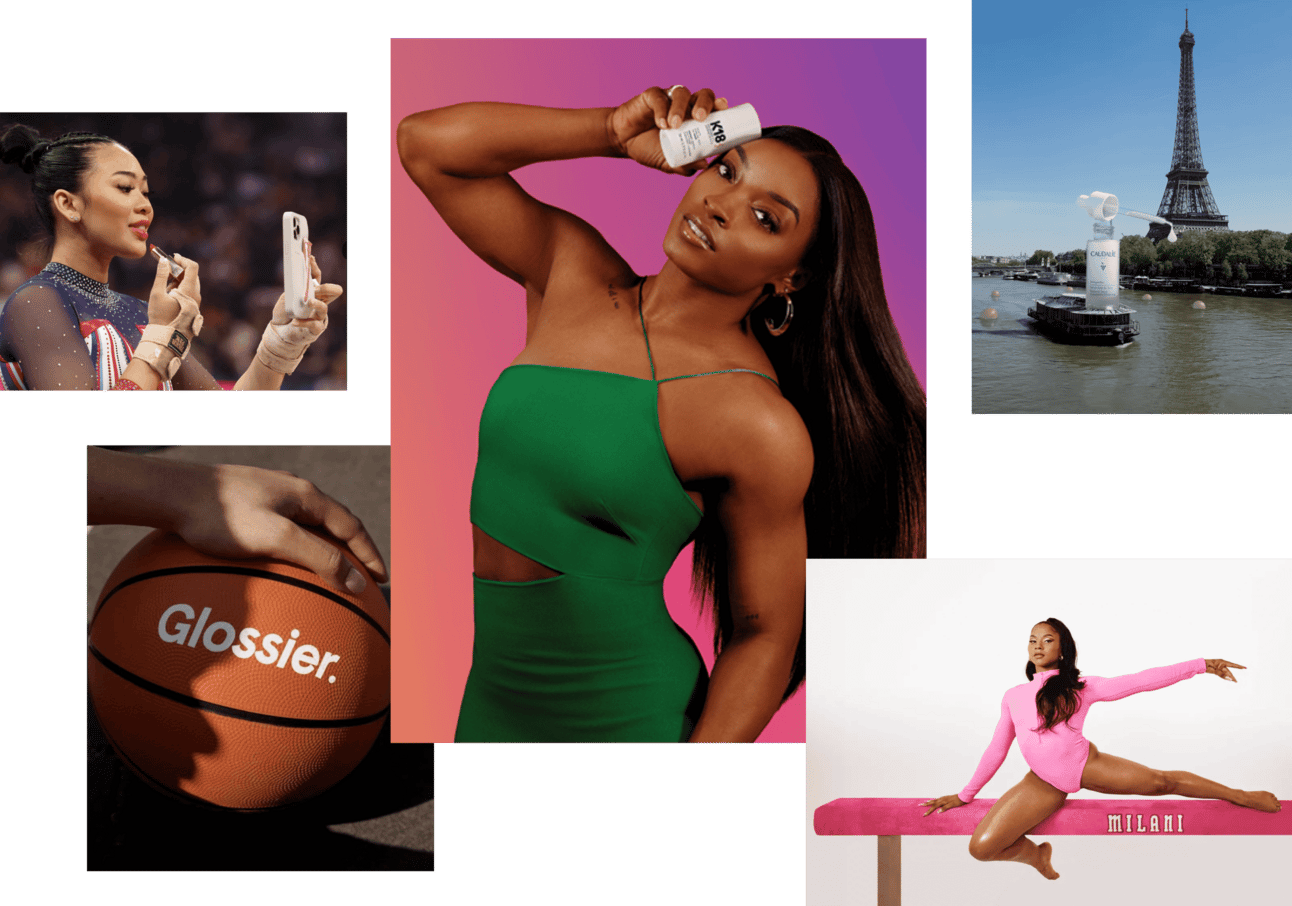
Paris Olympics wrapped up. Beauty brands grabbed their slice alongside fashion labels. LVMH, Skims, J.Crew dominated fashion presence. Beauty wasn't far behind: Sephora sponsored torch relay, Fenty Beauty partnered officially, Glossier teamed with US women's basketball, Simone Biles and Allyson Felix fronted campaigns for K18 and Merit Beauty.
Why the rush? Over 5,000 female athletes at first gender-balanced Olympics. Beauty brands spotted opportunity. Women's sports market hitting $1.28 billion next year raised stakes.
This signals new trend gaining traction: Performance Beauty. Category designed for intense lifestyles. Cooling wipes, post-sweat treatments, powerful SPF, makeup lasting through workouts. Not niche athletic products. Lifestyle category for people signaling health-conscious, fast-paced living as new status symbol.
Here are brands defining this emerging space.
Offcourt: apply sporting discipline to brand execution
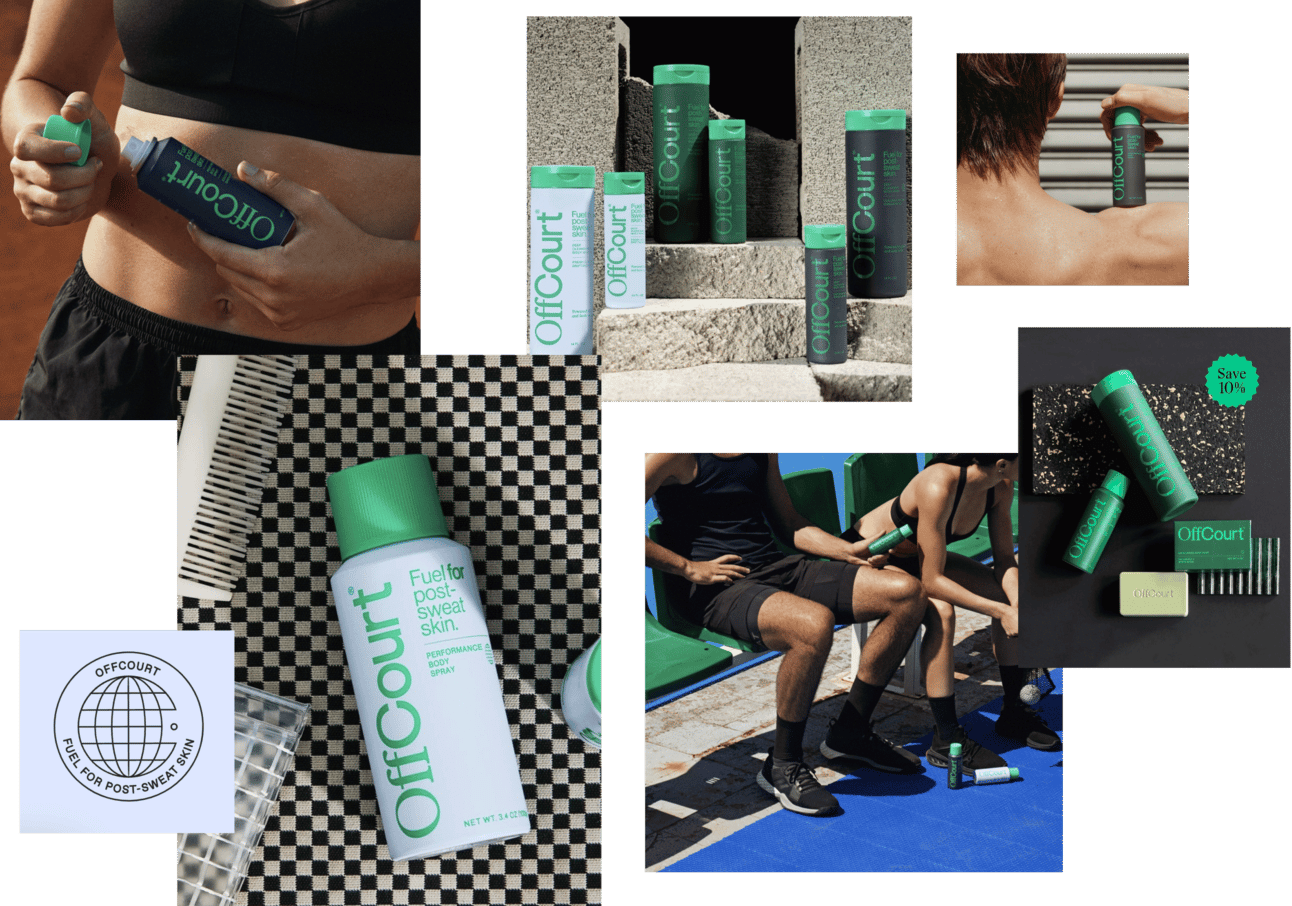
"The art and science of post-sweat skin care," says Offcourt's main screen. This isn't just for athletes. It's for anyone living fast-paced, health-conscious lifestyle that became new status symbol. Offcourt built entire brand around this, offering products keeping you fresh and functional after sweat dries.
"We create fuel for post-sweat living. A functional personal care company delivering everyday luxury for active people."
From branding perspective, Offcourt nailed it. Name is short, sharp, instantly evocative of life beyond the court. Signature mint color paired with subtle violet tones creates fresh, dynamic look that's memorable. Product shots, website, copy are visually appealing, cohesive, professionally executed.
The brand doesn't sell post-workout wipes. It sells membership in "post-sweat living" lifestyle where functional personal care becomes everyday luxury. That repositioning justifies premium pricing in category previously dominated by utilitarian athletic products.
Strategic pattern: "Post-sweat living" positioning transforms functional athletic products into lifestyle accessories. Active lifestyle became status signal replacing traditional luxury markers. Offcourt capitalizes on this by framing personal care as "fuel" for aspirational identity rather than hygiene necessity.
Freaks of nature: convey authentic character through archetype alignment
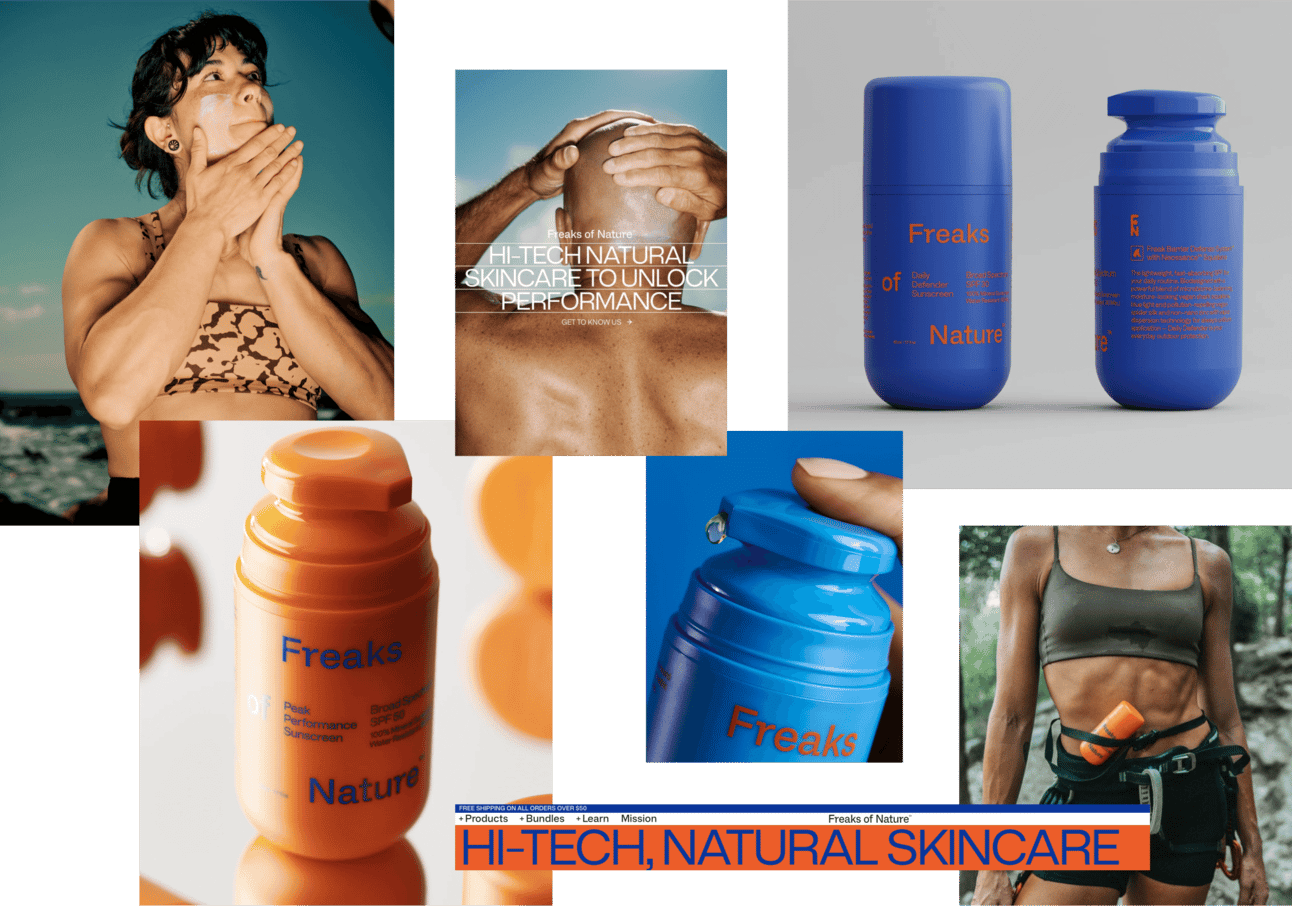
Freaks of Nature is outdoor-inspired brand crafting narratives around people deeply connected to outdoor activities who push themselves to limits. These stories aren't marketing fluff. They're designed to pull you into tribe of "Freaks" always ready for next adventure.
In archetypal branding terms, Freaks of Nature is quintessential Explorer. Same archetype as The North Face, Patagonia, Jeep. That's strategic positioning choice, not accident.
What's intriguing: chaotic text composition with logo on primary packaging. But here's the twist—it's the only place they use it. Everywhere else, strict left or central alignment. Mixing big caps with tiny lowercase descriptions creates striking contrast, gives brutal vibe. High-contrast red and blue combo adds vivid pop standing out in user-generated content, especially natural environments.
The design language communicates, that this is for people who don't follow conventional rules. The chaotic logo placement on primary packaging signals authenticity (not corporate polish). Then strict alignment everywhere else proves they're professionals, not amateurs playing outdoor brand.
Koa: gain community you want association with
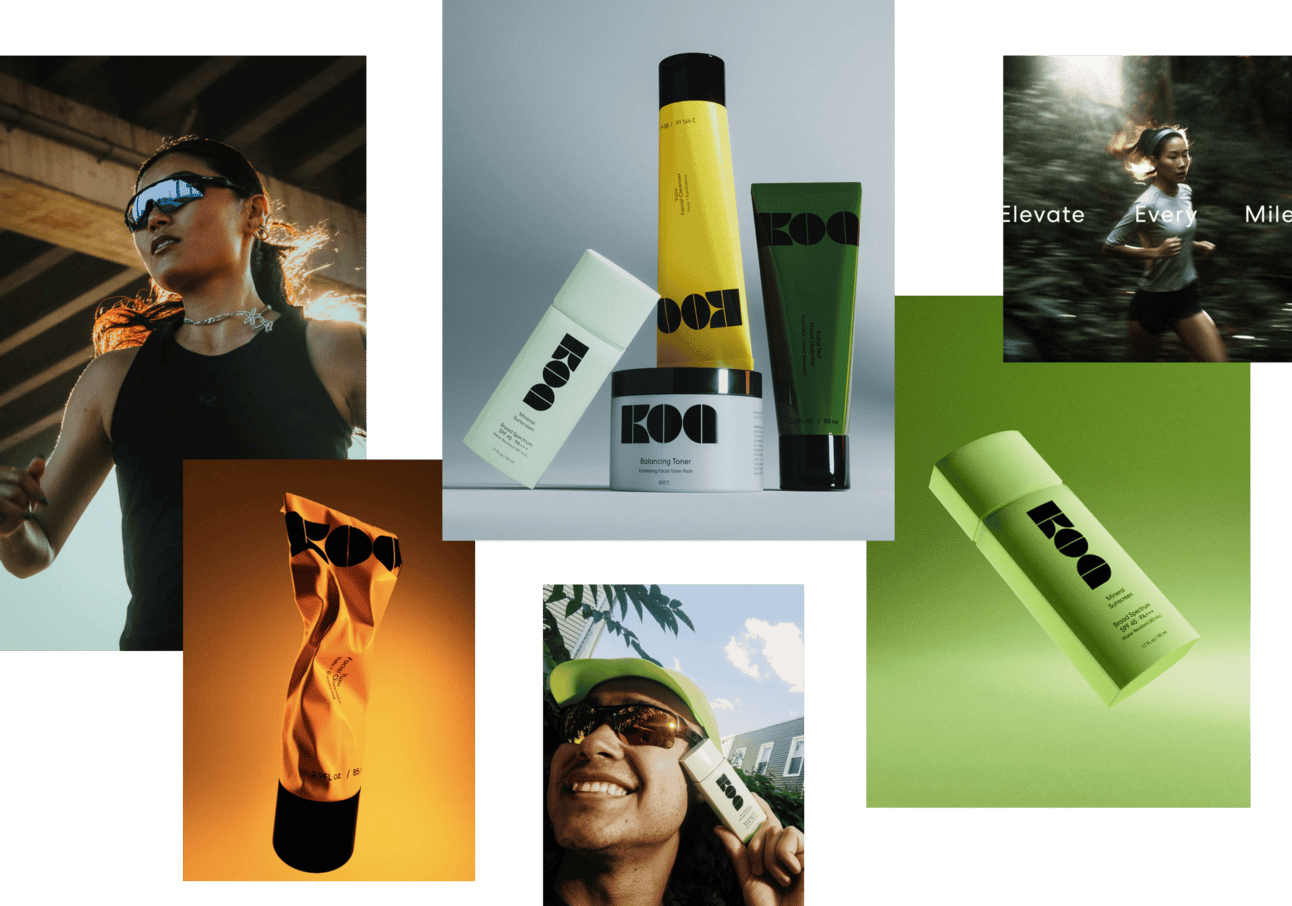
KOA designed for active lives, rooted in Hawaiian, Japanese, Korean healing traditions. Brand focuses on movement and well-being, embracing balance philosophy rather than "sweat till you die" mentality.
Packaging features bold logo with short, punchy name impossible to miss. Monumental logotype sets tone for entire branding. You don't need much else. Plant that geometric logo, it speaks for itself on any packaging.
Another standout: photography. Dynamic camera angles, fish-eye effects, high-contrast retouching give KOA distinctive visual edge. On social media, brand shines with user-generated content showcasing community of active, stylish individuals.
The community you attract matters as much as product you sell. KOA's visual identity (geometric boldness, dynamic photography, balance philosophy) attracts specific type of person. That person becomes brand ambassador through user-generated content. The community IS the marketing.
Orchidea strategic advice: For beauty brands targeting active lifestyle segment with $50k+ brand development budgets, invest in photography direction and UGC strategy before product launches. KOA's fish-eye effects and dynamic angles create instantly recognizable visual language that customers replicate in their own content. Define your visual signature, then make it easy for community to reproduce it.
Hustle: cautionary tale of celebrity brand without soul
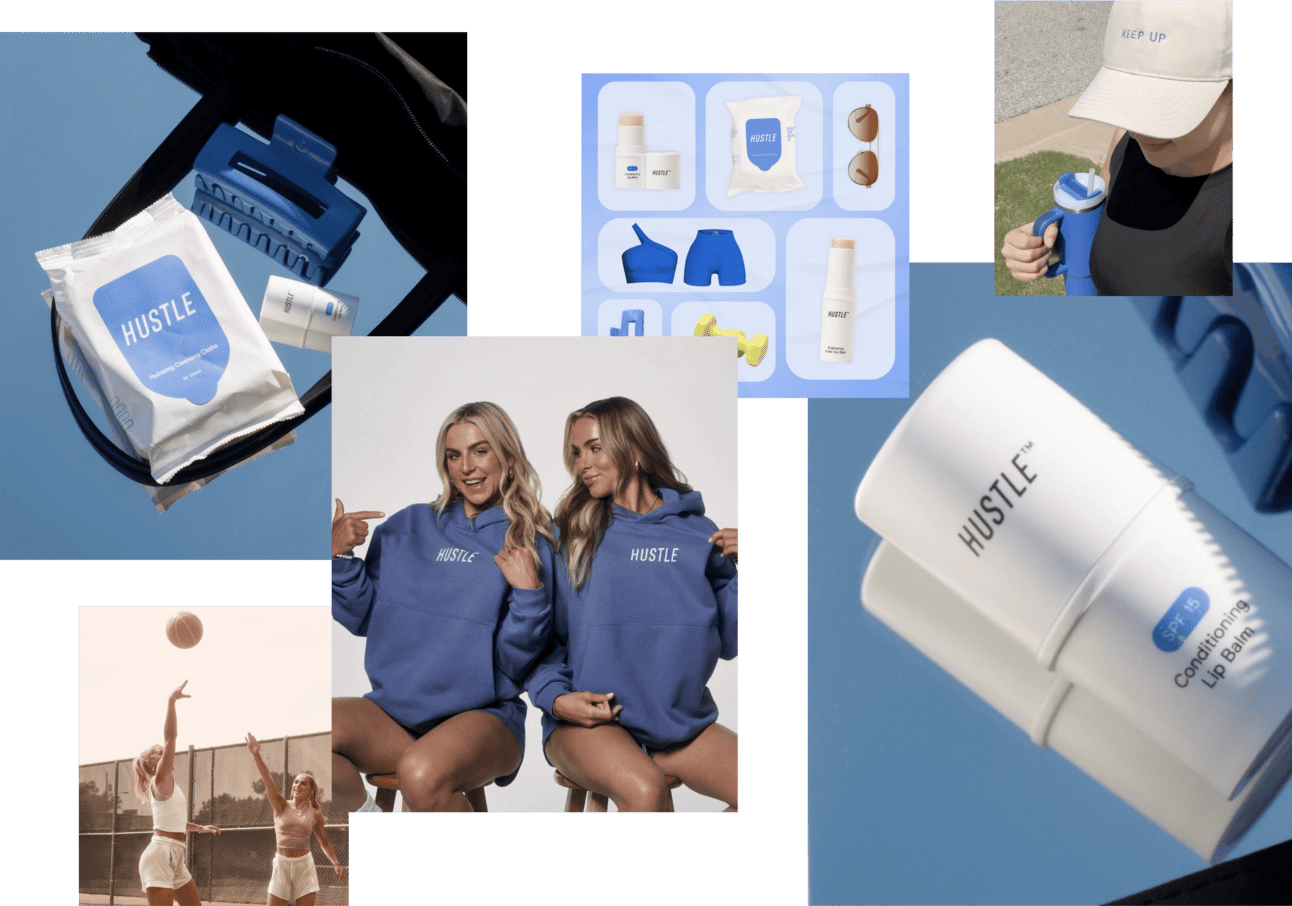
Hustle Beauty launched by Haley and Hanna Cavinder, twin co-founders who made name on basketball court. They saw gap in market for sweat-resistant makeup that's gentle on skin, durable through intense workouts.
Overall brand aesthetic leans into American vibe with nod to Stanley Cup culture die-hard fans. Logotype and packaging are minimal with touch of dynamism that's almost imperceptible. Comes off rather bland, lacking any real style evolution.
The brand feels soulless. More like product built around athletic celebrities than something with authentic identity.
Common mistake: Building brand around celebrity credentials (basketball players launching performance beauty) without developing independent aesthetic identity or cultural point of view. Hustle identified real product gap (sweat-resistant makeup for athletes) but failed to create brand world worth participating in. Result: functional product without emotional attachment or community loyalty. When celebrity attention moves elsewhere, nothing remains.
WYN beauty: choose colors strategically for brand cohesion
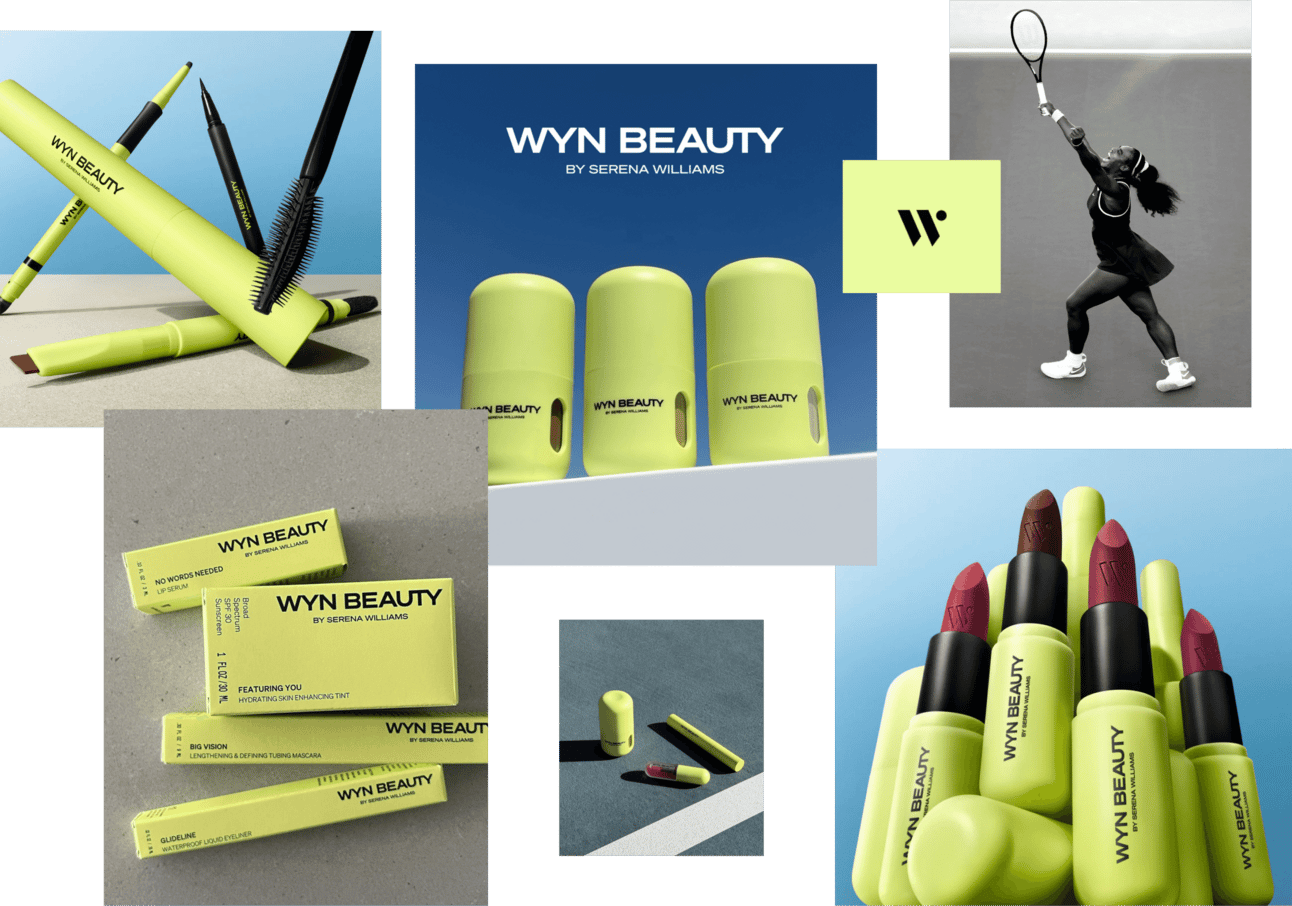
WYN Beauty founded by tennis legend Serena Williams feels like natural extension of her iconic style. Known for bold self-expression—beaded braids, vibrant nails, signature cat eye—Serena always paired drive with flair for beauty. Launching decorative cosmetics brand was seamless next step.
Brand's signature element: striking neon lime color. Everything from packaging to Serena's own wardrobe drenched in this vibrant shade. Smart choice for cosmetics brand. Neon lime creates cohesive look while allowing other colors (lipstick shades) to pop against it. Result: beautifully holistic aesthetic as bold and unforgettable as Serena herself.
The color strategy works because it's total commitment. Not just packaging color. Serena wears neon lime in campaigns, press appearances, matches. The brand color becomes her personal signature, which reinforces brand authenticity. This is celebrity brand done right: founder's personal aesthetic IS the brand aesthetic.
Women's sports market projected to reach $1.28B in 2025. First gender-balanced Olympics featured 5,000+ female athletes, creating unprecedented marketing opportunity for beauty brands. Performance beauty category capitalizes on active lifestyle becoming status symbol, with brands like Offcourt positioning "post-sweat living" as everyday luxury.
Solar Sport: start with future-core product positioning
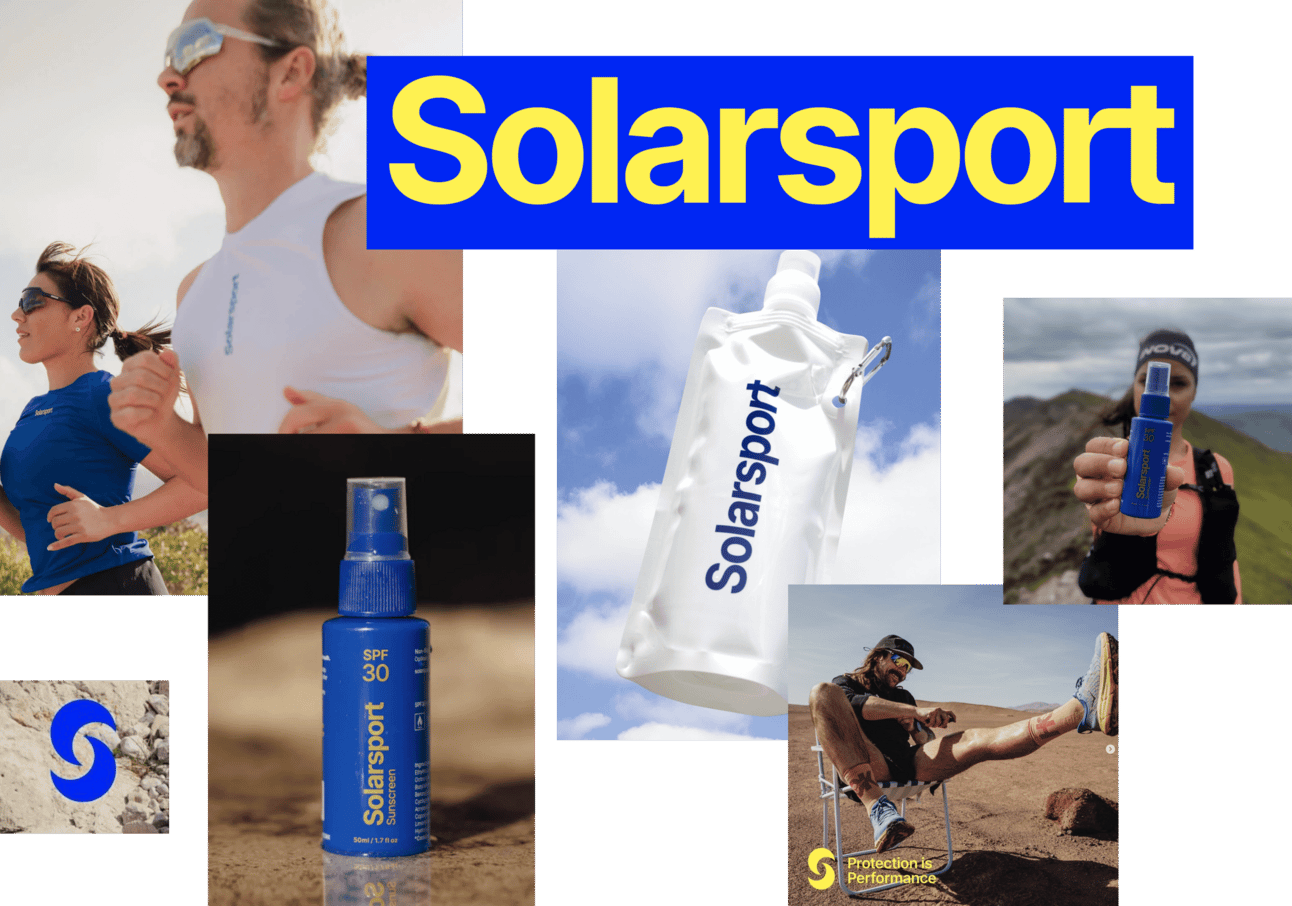
Solarsport protects athletes during peak performance, specifically designed for those needing sun protection while outdoors. Strong blue-yellow-white color scheme clearly communicates focus: sun and sport.
Logo: monogram featuring abstract silhouette of spinning wheels, perfectly capturing dynamic spirit. Solarsport feels fresh, eco-conscious brand starting journey in performance world.
The color choice (blue-yellow-white) isn't arbitrary. Yellow signals sun protection category (established convention from sunscreen brands). Blue adds trust and athletic credibility. White suggests clinical efficacy. Combined: performance sun protection you can trust. That's color psychology working strategically.
What we're seeing: Performance beauty emerged as distinct category through convergence of gender-balanced athletics creating female athlete marketing opportunity, women's sports market reaching $1.28B, and active lifestyle replacing traditional luxury as status signal. Brands winning this category position functional products as everyday luxury for "post-sweat living" rather than niche athletic preparation, expanding addressable market from competitive athletes to anyone signaling health-conscious identity.
September 30, 2024
.png)
.png)